
In masonry construction, brick pointing is the process of applying and finishing mortar in between bricks. In order to preserve a brick structure’s structural integrity, weatherproofing, and aesthetic appeal, it entails filling and sealing the joints—the spaces between the bricks—with mortar. In addition to holding the bricks together, the mortar used for Brick Pointing Queens keeps water out and increases the brickwork’s durability.
Because the mortar must be properly selected and applied to maintain the brick structure’s stability and aesthetic appeal, pointing is a specialized art. The procedure can be used to fill joints in newly constructed buildings or as part of a repointing operation, which involves replacing decaying mortar with new mortar to strengthen and improve the building’s appearance.
The mortar has a tiny crack. Most likely nothing. However, previous spring, that gap did not exist.
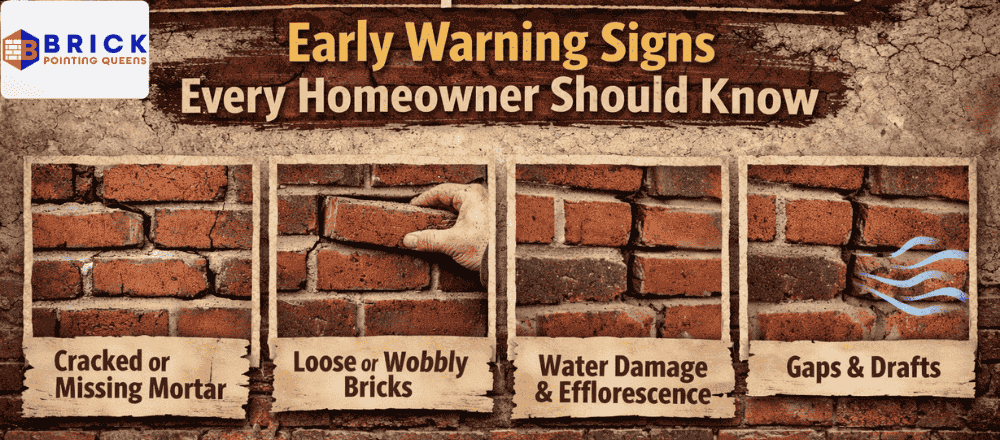
The outside wall of your Queens rowhouse, your Bronx two-family, your Long Island colonial—you pass it every day. The bricks appear sturdy. However, the mortar that separates them? That’s not the same. It is fading. stumbling. Where smooth joints should be present, shadows are left.
Brick pointing is the specialist process of removing deteriorated mortar from masonry joints and replacing it with new, appropriate mortar to restore the wall’s structural and weather-resistant integrity. This is something that most homeowners are unaware of. Sealing the gaps to keep water out is similar to re-grouting the tiles in your bathroom, but for your home’s structural walls.
You have sturdy bricks. However, mortar is made to fail first. As the sacrificial layer, it is meant to absorb moisture and heat stress so that the brick doesn’t have to. Water can enter without a brick crack once those joints begin to weaken. It makes use of your existing gaps.
Since brick pointing is the foundation of the building’s weight distribution, it is essential for masonry repair and maintenance in both commercial and residential buildings. Bricks with uneven or cracked mortar may support too much weight because mortar helps the bricks distribute weight on an even plane.
Cracking, swelling, and even collapse result from this. Additionally, poor Brick Pointing Long Island can attract moisture that might cause harm. A lot of moisture damage won’t be apparent until it is irreparable, necessitating expensive replacement or repairs. For new building to last as long as possible, Brick Pointing Queens should be done carefully.
Note: Brick Pointing Queens is the company to call if you’re looking for the best and most reliable brick pointing contractors in New York City.